 717-231-1640
Window Tint Laws In Pennsylvania
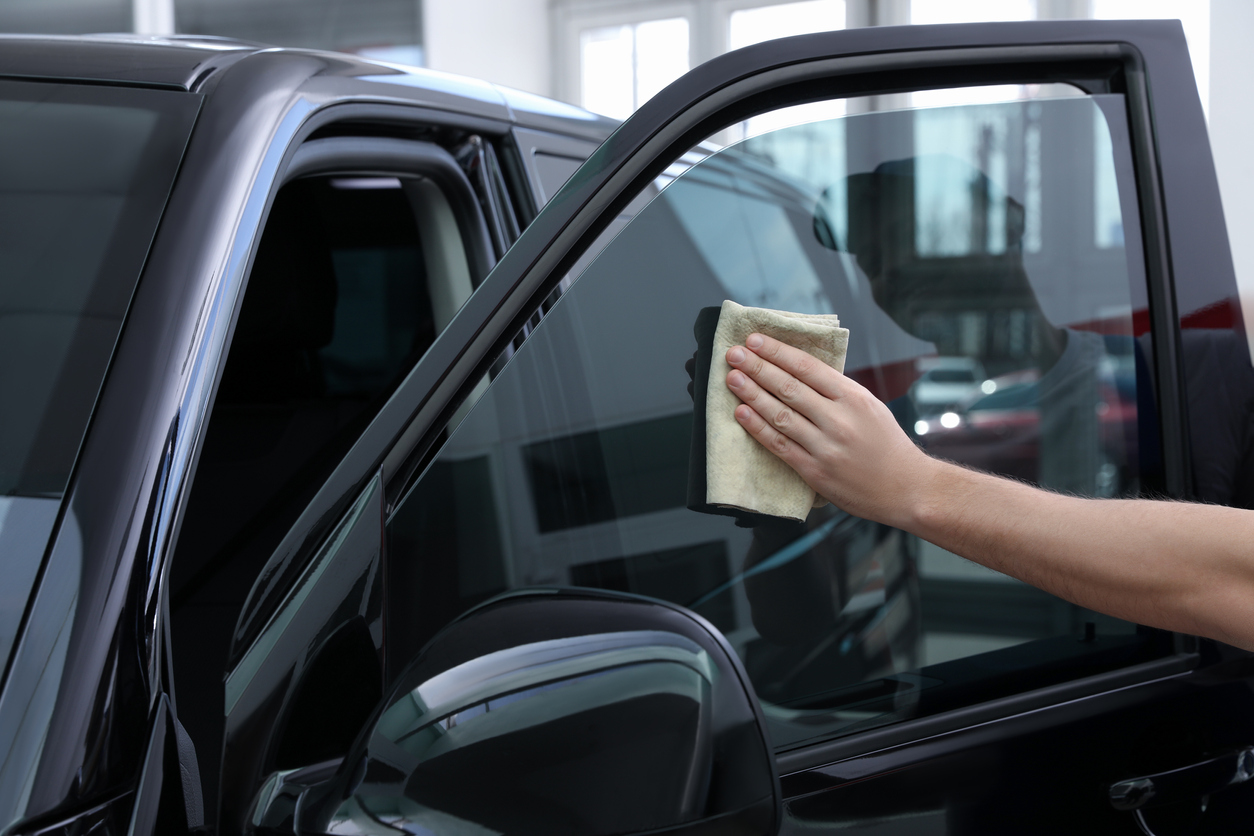
People get their windows tinted for a variety of reasons. In addition to providing pleasing aesthetics and minimizing exterior views into the vehicle, a window tint can actually help increase visibility from inside the vehicle.
However, it is important to understand the window tinting laws of your state so that you do not run afoul of any regulations. To help you with that, here is an explanation of Pennsylvania’s window tint laws.
Visible Light Transmission
Visible light transmission (VLT) is known as the percentage of visible light that can get through your vehicle’s windows. The amount of VLT allowed in Pennsylvania differs between vans, sedan cars, and SUVs. For your convenience, here is a brief description of each.
Sedans
The windshield on your sedan must allow at least 70% of light in. The front side windows and rear window must allow 70% or more of light in. The back side windows can allow any amount of light.
SUVs and Vans
Like sedans, the windshield on your SUV or van must allow for 70% or more of VLT. The front side windows must also allow for 70% or more. However, the back side windows and rear windows allow for any tint.
Tint Reflection
Window tint is ideal for reflecting any incoming light and reducing the amount of heat entering the vehicle. Nonetheless, Pennsylvania law does not allow for mirrored or metallic appearances on the front side and back side windows of SUVs, vans, or sedans.
Other Regulations
In addition to the above, Pennsylvania has several other regulations that apply to cars with tinted windows. You should always keep up with changes in the law, as well as local ordinances.
Color Tint Restrictions
Some states have restrictions on the color of tint that can be used. However, Pennsylvania allows for any color of tint to be used. Just make sure the color works for you and is not distracting.
Knowing what works beforehand, not just cosmetically but practically, can reduce the headache of having to replace your windows at a later date.
Rules for Side Mirrors
Pennsylvania mandates dual side mirrors if the vehicle’s back window is tinted. This is due to the fact that some tints can obstruct your view and potentially cause an accident, so having dual side mirrors gives you another vantage point. This keeps you and other drivers safe.
Rules for Stickers
In Pennsylvania, you are required to display a sticker that indicates your tinting is legal and was installed in accordance with state law. This gives law enforcement an easy way to identify illegal tinting and allows for steeper punishment for offenders who fraudulently produce their own stickers.
Medical Exceptions
Pennsylvania is one of the states that accept medical exemptions for special tints. So if you need something above and beyond what is legal and have a medically valid reason for needing it, speak with your doctor about getting a note confirming your condition.
Certification
In some states, companies that manufacture tinting film are required to certify the film they sell to ensure it is authentic and legally compliant. However, Pennsylvania does not require manufacturers in the state to meet these requirements.
Keeping Your Tint Legal in Pennsylvania
Now, knowing more about Pennsylvania’s window tinting laws and associated regulations, you’re prepared to tint your windows in accordance with state law. If you are unsure of something, there are a variety of legal resources you can consult. As always, make sure to err on the side of caution to help prevent an auto accident.
Contact the Car Accident Lawyers In Pennsylvania at Marzzacco Injury Law For Legal Help With Your Case Today
If you’ve been injured in a car accident, contact Marzzacco Injury Law at the nearest location to schedule a free consultation today.