
Zantac Lawsuits
July 13, 2026 | Product liability
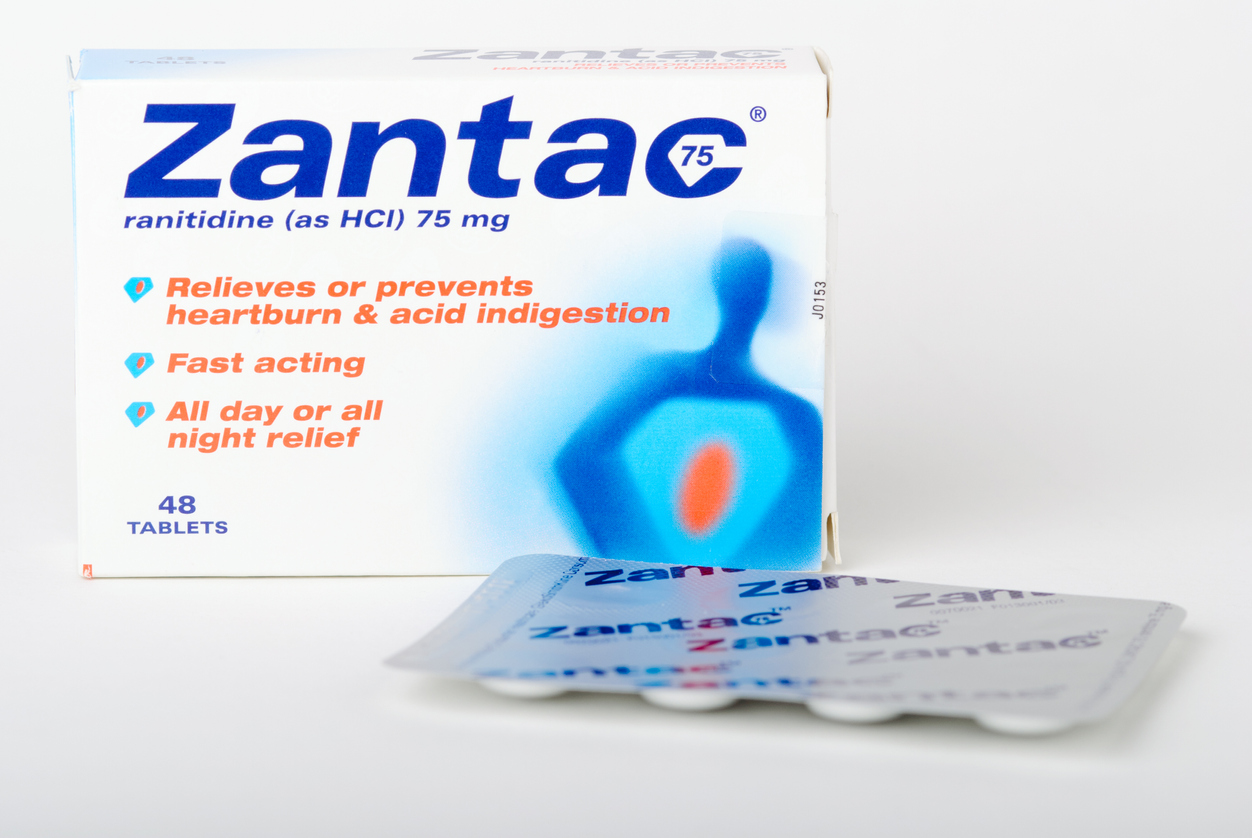
For decades, Zantac was a popular heartburn medication. Millions of people relied on the drug, known generically as ranitidine, to treat acid reflux, ulcers, and other conditions. Consumers took the medication for years without suspecting that it could become the center of one of the largest pharmaceutical lawsuits in recent history.
Everything changed when concerns emerged about a probable human carcinogen found in Zantac. Investigations and testing led to widespread recalls, the removal of ranitidine products, and thousands of lawsuits. These cases alleged that long-term use of Zantac contributed to various forms of cancer.
If you or a loved one used Zantac and later developed cancer in Pennsylvania, understanding the history of the litigation and your legal rights can help you determine whether you have a claim.
What Is Zantac?
Zantac was a widely used medication designed to reduce stomach acid production. Its active ingredient, ranitidine, was prescribed and sold over the counter. It was used to treat conditions like:
- Heartburn
- Acid reflux
- Gastroesophageal reflux disease (GERD)
- Peptic ulcers
- Other digestive disorders
For years, Zantac was one of the most recognizable medications in the world. Millions of consumers trusted the drug because it was widely available and commonly recommended.
What Led to the Zantac Lawsuits?
The lawsuits largely center on concerns involving a known carcinogen in Zantac called “nitrosodimethylamine” or NDMA. NDMA is a chemical compound classified as a probable human carcinogen. Testing has revealed that Zantac contains NDMA. Regulators became concerned that NDMA levels could increase over time or when exposed to heat.
Following these discoveries:
- Numerous recalls were issued
- Pharmacies removed products from shelves
- Regulatory agencies launched investigations
- The FDA requested the withdrawal of ranitidine products, like Zantac, from U.S. markets.
These events triggered a wave of litigation throughout the United States.
What Do the Zantac Lawsuits Allege?
The plaintiffs in Zantac cases usually allege that manufacturers, distributors, and other parties knew the risks associated with ranitidine products. Many lawsuits claim that companies failed to:
- Adequately test the product
- Properly investigate safety concerns
- Warn consumers of potential risks
- Provide sufficient information to physicians and patients
The defendants have generally denied liability. They frequently argue that available scientific evidence does not establish that Zantac causes cancer. As a result, the litigation has involved extensive scientific and legal disputes.
What Types of Cancer Have Been Linked to Zantac Claims?
Various lawsuits have alleged a connection between long-term Zantac use and several forms of cancer. Commonly alleged cancers include:
- Bladder cancer
- Stomach cancer
- Esophageal cancer
- Liver cancer
- Pancreatic cancer
- Colorectal cancer
- Other gastrointestinal cancers
Not every diagnosis creates a valid legal claim. Each case must be evaluated on its specific facts, medical history, and evidence.
What Compensation May Be Available in a Zantac Lawsuit?
Individuals who successfully pursue a defective drug claim may be entitled to recover both economic and non-economic damages. Potential recovery may include:
- Medical expenses
- Lost income
- Loss of future earnings
- Pain and suffering
- Disability or impairment
Families who lose loved ones may have legal rights under Pennsylvania law. Grieving families may pursue wrongful death damages in certain cases.
How Long Do You Have to File a Claim in Pennsylvania?
Pennsylvania law imposes deadlines that may affect your ability to pursue a product liability claim. This deadline is called the statute of limitations. The applicable filing deadline may depend on many factors, such as:
- When the injury was discovered
- When the diagnosis occurred
- The specific facts of the case
- Applicable Pennsylvania law
Because statutes of limitations can be complex, it is important to consult an attorney as soon as possible.
How a Product Liability Lawyer Can Help
Pharmaceutical injury cases are some of the most complicated forms of personal injury litigation. An attorney can help by:
- Investigating your claim
- Determining eligibility
- Gathering evidence
- Working with experts
- Identifying responsible parties
- Negotiating settlements
- Litigating the case when necessary
If a settlement cannot be reached, a lawyer may present your case to a judge and jury.
Contact Marzzacco Niven & Associates To Schedule a Free Consultation With a Lancaster Products Liability Attorney
The Zantac litigation has raised important questions about drug safety, product testing, and consumer warnings. If you or a loved one has developed cancer after using Zantac, don’t wait to seek help. Contact Marzzacco Niven & Associates today to discuss your legal options during your free consultation with a products liability lawyer.
We can review your situation, explain your legal options, and help determine whether you have a claim for compensation in Lancaster, Pennsylvania.
Marzzacco Niven & Associates Harrisburg
945 East Park Drive, Suite 103 Harrisburg, PA 17111
(717) 231-1640
Marzzacco Niven & Associates York
2550 Kingston Road, Suite 210A York, PA 17401
(717) 995-8998
Marzzacco Niven & Associates Wyomissing
833 N. Park Road, Suite 103, Room A Wyomissing, PA 19610
(717) 388-2325
Marzzacco Niven & Associates Chambersburg
79 St. Paul Drive, Suite 1 Chambersburg, PA 17201
(717) 388-2378
Marzzacco Niven & Associates Carlisle
354 Alexander Springs Road Carlisle, PA 17015
(717) 995-8732
Marzzacco Niven & Associates Carbondale
30 Lincoln Avenue, Suite 101 Carbondale, PA 18407
(717) 995-8810
Marzzacco Niven & Associates Lancaster
2173 Embassy Drive, Ste 123, Lancaster Pa 17603
(717) 616-2954
Marzzacco Niven & Associates Lebanon
937 Willow Street, Suite D Lebanon, PA 17042-1140
(717) 995-8963